
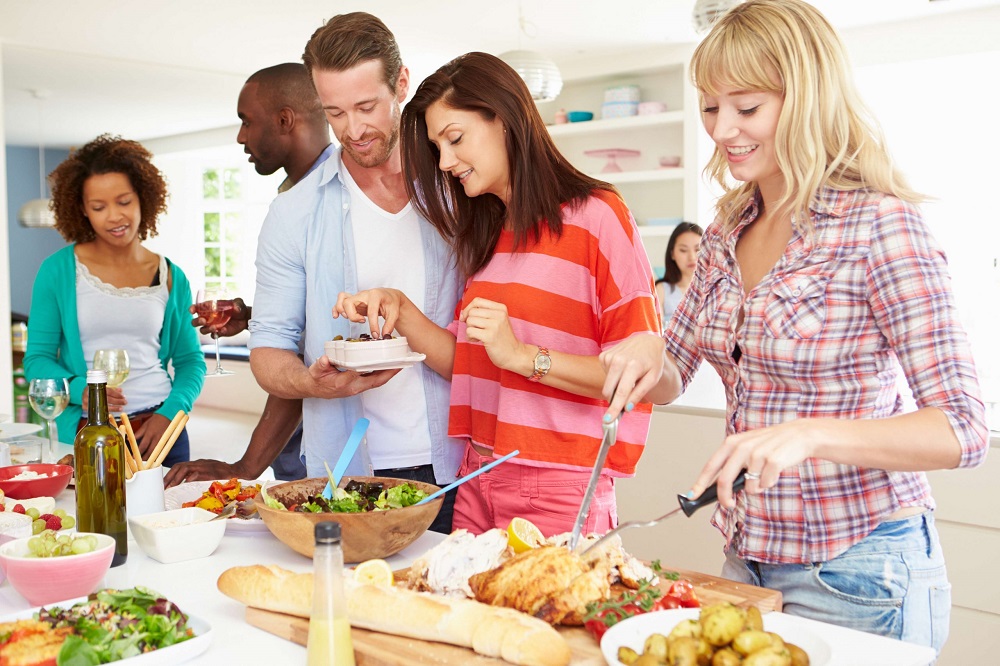
Imagine pouring hot sauce on a sunburn—that’s essentially what you’re doing when you reach for the jalapeños after a night of drinking. The market for non-alcoholic (NA) spirits, wines, and beers has exploded in recent years. The quality and variety https://maylocnuocviet.vn/fetal-alcohol-syndrome-children-s-hospital-of/ are truly astounding, offering one-to-one replacements for your favorite alcoholic beverages. Perhaps you’re exploring a sober-curious lifestyle, hosting friends who don’t drink, or simply want some delicious non-alcoholic cocktails for a change. My journey into the world of alcohol-free drinks started over a decade ago, not out of necessity, but out of a passion for flavor and craft.
#7: Ritual Zero-Proof Tequila Alternative
Why this virus shuts down schools, cruises, and nursing homes, and why many people are cleaning the wrong way. AI was utilized for research, writing, citation management, and editing. Alcohol-free red wine is not a side issue, but a sensory masterpiece and a strong signal to consumers that quality and responsibility can go hand in hand. In a column with rotating cones, aroma components are first extracted under controlled conditions. The alcohol is then removed before the aromas are added back in. The wine is heated under vacuum, which lowers the boiling point of the alcohol.
- I also listed 20 perks of sobriety that I personally reap daily, like improved interpersonal relationships, improved mental health, and a stronger immune system.
- Published by Food & Wine Magazine, Matador, Craftbeer.com, among others, she believes the best way toward positive change is loving on those around her and attests to its exponential benefit.
Where to Find Non-Alcoholic Spirits
Hydration is key—pair your snack with water or an electrolyte drink to counteract both the alcohol and sodium effects. For those who can’t resist cured meats, look for low-sodium versions or limit portions to a single serving (about 1-2 ounces). Sodium intake increases water retention, particularly in the abdominal area, leading to that uncomfortable, swollen feeling. Pair this with alcohol’s natural diuretic effect, and you’ve created a perfect storm for digestive discomfort. For context, the American Heart Association recommends limiting daily sodium intake to under 2,300 mg, ideally aiming for Halfway house 1,500 mg.
Check the Sugar and Calorie Content

But today, due to severe droughts and upstream dams, water levels have dropped to catastrophic lows. You can now see ancient ruins emerging from the riverbed that were underwater for generations. Despite its accepted status as a recreational substance, the list what to drink instead of alcohol of alcohol’s negative health impacts keeps growing, including several types of cancer, liver and heart disease, and neurological disorders. While total abstinence would be ideal from a public health perspective, realistic harm-reduction strategies acknowledge that this is unlikely for many people.
- Her writing has been published in Cheese Connoisseur, Wine Enthusiast, and Hemispheres, and she blogs at Tangled Up In Food.
- The products that come in vodka, gin, tequila, rum, and whiskey flavors, and are made with vegetable glycerin and natural flavors like oak extract, ginger, cinnamon, and cassia bark.
- If you’re looking for comfort food, turn your attention to this easy creamy loaded potato soup.
- Tania Banerjee is a freelance writer from Kolkata based in Mumbai, India.
- Despite some mixed reviews regarding taste, many are willing to explore its versatility in cocktails.
Schweppes’ ginger ale is a classic, available from most supermarkets, and it has confirmed real ginger extract in the recipe. Smiling Wolf is a unique nootropic blend of kombucha, caffeine, and amino acids to boost your alertness and enjoyment of an evening, with classic flavourings like Negroni. Mocktails’ Nitro pack contains all the favourites with an alcohol-free twist – like Espress0% Martini, Sansgria, and Mockupolitan.
Start with a blank canvas and acrylics, which dry quickly and allow for layering. Dedicate 20–30 minutes daily to this practice, focusing on how each stroke reflects your current emotional state. For instance, bold, aggressive brushwork might mirror frustration, while soft, blending hues could signify calm. Over time, this practice becomes a visual diary, offering insights into emotional patterns and progress. Deep breathing exercises, such as the technique, are another powerful tool. Inhale for four seconds, hold for seven, and exhale for eight.